Months of no luck, then a BDM role: what changed for Jordan.

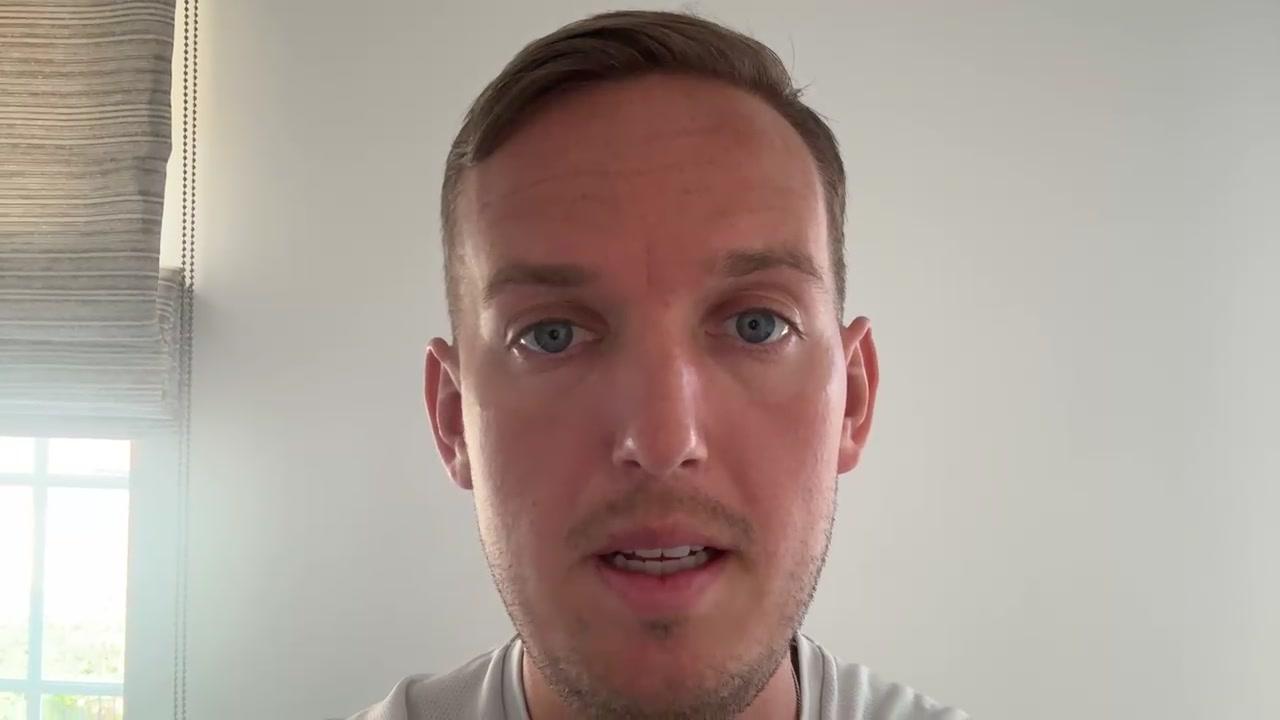
There's a point in a long job search where you stop telling people how it's going. Friends ask, and you change the subject. You've applied. You've interviewed. The weeks keep passing. You start to wonder what everyone else knows that you don't.
Jordan reached that point. "Before meritt, I was on the job market for a good three, four months, not getting any luck."
He wasn't new to work either. He was in a full-cycle role in finance. If someone with that background can get stuck for months, it tells you something useful. The problem often isn't you. It's how you're searching.
Here's Jordan in his own words.
Experience alone doesn't get you hired.
If you're trying to land your first sales job, Jordan's story should take some pressure off. Experience helps. It isn't the whole picture.
People with years of work behind them still stall. The usual routes don't help much. On a job board, you're one of hundreds of people on the same advert. Recruiters can be useful, but they work for the employer, not for you. Their job is to fill the role, not to find the right one for you.
So what changed for Jordan?
What changed: prep with Will.
Jordan met Will, meritt's founder. His written answer about what helped is short: "The prep with Will, he's the best in the business."
In his video, he goes further. "I can't speak any higher. They're the best in the business."
Two things came out of that prep. Getting ready for interviews, and getting clear on which role suited him. Both are things you can start on today.
1. Work out which role fits you.
Jordan described it as "Preparation to understand what the best role suited for you is."
Most people skip this step. They apply to anything with "sales" in the title. But SDR, BDR, BDM and account executive are different jobs. Inbound and outbound are different jobs. A ten-person start-up and a big company are different jobs, even with the same title.
Here's a rough guide. SDRs and BDRs start conversations and book meetings, usually for someone else to run. Account executives run deals and close them. BDMs usually own finding and winning new business, often with more freedom. Titles change from company to company, so read the job, not the title.
Try this week: answer three questions in writing. Do you like talking to strangers, or building on people you already know? Do you want structure and coaching, or freedom to run your own day? What do you want to be doing in two years?
Your answers will cut your list down. That's the point. Ten applications aimed at the right role beat a hundred aimed at anything.
2. Prepare like the interview is the job.
In a sales interview, they're not just listening to your answers. They're watching how you sell. How you open. How you handle a hard question. Whether you ask for the next step.
So prepare like a salesperson would. Learn what the company sells, who buys it and why they care. Have three short stories ready: a time you won someone over, a time you hit a goal, and a time you got knocked back and kept going. Say them out loud before the day. Answers that sound sharp in your head often wander when you speak them.
Bring questions that show you're curious. How is the team measured? What do the best people on the team do differently? Then, at the end, ask what happens next. It's a sales job. Asking for the next step is part of the test.
The result.
The prep paid off. "And then now I've landed a business development manager role, with a huge uplift in career development and potential."
In his written answer, he put it this way: "I landed a BDM role with a big uplift in salary and career development."
And how does he feel about it? "I'm very, very happy and grateful."
Jordan's story fits in three lines. Interview prep with Will. Matched to the right role. Hired into a BDM role.
If you're after your first sales job.
To be clear, Jordan worked with Will directly. He didn't go through meritt's online programme.
If you're starting out, the programme is where meritt helps people like you. meritt is the AI that gets you a job in sales. Think of it as your talent agent. You learn and practise with AI lessons, including cold calling and AI skills. You earn a certificate. Then each monthly cohort is promoted to thousands of sales leaders. It costs £299.
The idea behind it is the one Jordan's story shows. Get ready properly. Aim at the right role. Stop applying everywhere and hoping.
No one can promise you a job, and we won't. But you can stop guessing.
Try a free lesson at learn.meritt.io/try to see what the practice feels like. When you're ready, see the full programme at learn.meritt.io/course.
What should I do if my job search isn't working?
Change the method before you send more applications. After months of no luck, more volume rarely helps. First, get clear on which sales role suits you, so you aim at fewer, better jobs. Second, prepare properly for interviews: know the company, have real stories ready and practise saying them out loud. Third, look at any feedback you've had and turn it into specific fixes. Jordan spent three to four months "not getting any luck" before prep and the right role match changed things. He landed a business development manager role. A long search is common. It doesn't mean you're not good enough.
What does a BDM do in sales?
BDM stands for business development manager. In most companies, a BDM finds and wins new business. That can mean researching target companies, reaching out to new contacts, running meetings and building relationships that turn into deals. Some BDMs close the deals themselves too. The title means different things at different companies, so always read the job description, not just the title. A BDM role is often more senior than an entry-level SDR or BDR role, with more freedom and more responsibility for results. Jordan moved into a BDM role after months of searching, with what he called "a big uplift in salary and career development."
How do I prepare for a sales job interview?
Treat the interview like a sales call where you are the product. Research the company: what it sells, who buys it and why. Prepare three short stories: a time you won someone over, a time you hit a goal, and a time you got knocked back and kept going. Practise them out loud, because answers that sound fine in your head often ramble when spoken. Bring two or three questions that show curiosity, such as how the team measures success. At the end, ask what the next step is. Jordan said the prep he did with Will was what helped him most.
How do I know which sales role is right for me?
Start with how you like to work. If you enjoy talking to strangers and can handle a lot of "no", outbound roles like SDR or BDR may suit you. If you prefer building on relationships you already have, look at account management. If you want to run deals from start to finish, aim for account executive or BDM roles over time. Then think about the setting. Start-ups often give you more freedom. Bigger companies often give more structure and training. Jordan called this "Preparation to understand what the best role suited for you is." Getting it right means fewer, better applications.
Hire great salespeople, better.
Sales people who recruit sales people. A flat fee, a shortlist with evidence, and a process candidates rate 4.8.
See how we hire